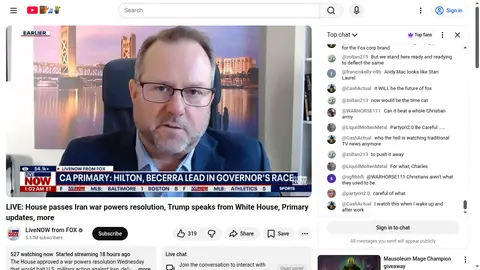
SCOTUS RULES TO UPHOLD BIRTHRIGHT CITIZENSHIP
See how LiveNOW from Fox are framing this — we run every side, so you decide. News for humans, not bots: serious, civil discussion among real people, with the context and facts you need. Don't just watch: be on the air with your own video takes, polls and predictions.
EVERY NETWORK'S FRAMING
“SCOTUS RULES TO UPHOLD BIRTHRIGHT CITIZENSHIP | STATES BAN TRANSGENDER ATHLETES FROM PLAYING ON GIRLS' SPORTS TEAMS”
covered 2026-06-30 ▶ Be on the air with LiveNOW from FoxAdd your voice
Birthright citizenship was settled by the Supreme Court in 1898!
In U.S. v. Wong Kim Ark, the Court ruled 6-2 that a San Francisco-born son of Chinese immigrants was a U.S. citizen — establishing the 14th Amendment precedent Trump's executive order now challenges.
This storyHow long will the PA shelter-in-place order last?
This storyHow many U.S. jurisdictions are classified as 'sanctuary' jurisdictions?
- Fewer than 50
- Around 150
- Nearly 300
- More than 500
Guess, then reveal the answer
More than 500
The 14th Amendment's birthright clause was written to protect freed slaves.
Ratified in 1868, it guaranteed citizenship to all born on U.S. soil, directly overturning the Dred Scott decision. Learn more at Wikipedia
Congress first held sanctuary city hearings after Kate Steinle's 2015 death.
Steinle was shot in San Francisco by a man released despite an ICE detainer. Her death galvanized the 'Angel Families' movement and sparked years of congressional hearings on sanctuary policies.
This storyWhen did SCOTUS first rule U.S.-born children of immigrants are citizens?
- 1868 (14th Amendment)
- 1898 (Wong Kim Ark)
- 1924 (Indian Citizenship)
- 1954 (Brown v. Board)
Guess, then reveal the answer
1898 (Wong Kim Ark)