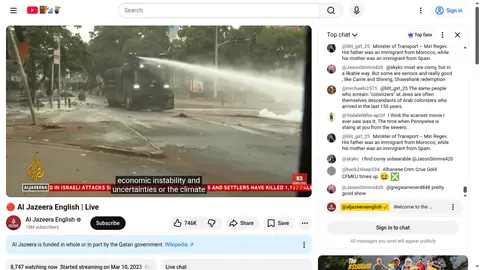
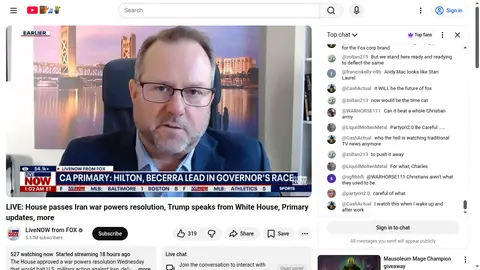
TRUMP SAYS STRAIT OF HORMUZ WILL BE "OPEN TO ALL" TOMORROW
See how Al Jazeera English and LiveNOW from Fox are framing this — we run every side, so you decide. News for humans, not bots: serious, civil discussion among real people, with the context and facts you need. Don't just watch: be on the air with your own video takes, polls and predictions.
EVERY NETWORK'S FRAMING
“U.S. PRESIDENT DONALD TRUMP SAYS STRAIT OF HORMUZ WILL BE 'OPEN TO ALL' IMMEDIATELY AFTER SIGNING”
covered 2026-06-13 ▶ Be on the air with Al Jazeera English“TRUMP SAYS STRAIT OF HORMUZ WILL BE "OPEN TO ALL" TOMORROW”
covered 2026-06-13 ▶ Be on the air with LiveNOW from FoxAdd your voice
UNICEF has a dedicated global lead for child health in crises
Dr Douglas Noble leads UNICEF's response to disease outbreaks and disasters affecting children — among the most vulnerable in any emergency. Explore global health at CDC.gov
This storyHow many Lebanese civilians died in the 2006 Israel-Hezbollah war?
- Around 500
- Around 1,200
- Around 2,800
- Around 4,500
Guess, then reveal the answer
Around 1,200
~20% of the world's oil passes through a 21-mile-wide strait!
The Strait of Hormuz, between Iran and Oman, is the world's busiest oil chokepoint. Iran has threatened to close it multiple times since the 1980s — any blockage could spike global oil prices within hours.
The US Navy escorted tankers through the Hormuz Strait back in 1987!
During Operation Earnest Will, the US reflagged 11 Kuwaiti oil tankers & escorted them through the strait amid Iran-Iraq War threats — the largest US naval convoy operation since WWII.
This storyWhen did Iran first threaten to close the Strait of Hormuz?
- Iran-Iraq War, 1980s
- Gulf War, 1991
- Iraq War, 2003
- Arab Spring, 2011
Guess, then reveal the answer
Iran-Iraq War, 1980s
The US once reflagged Kuwaiti tankers to keep Hormuz open!
During the 1980s Iran-Iraq 'Tanker War,' Operation Earnest Will (1987-88) had the U.S. Navy escort reflagged Kuwaiti ships — the largest U.S. naval convoy op since WWII — to protect oil flow.